
The EU Demands TikTok to Change Its "Addictive" App Design

Table of Contents:
The European Union is taking an unprecedented step by legally defining what constitutes “addictive design” in digital platforms. TikTok has become the first major target, with regulators arguing that the platform systematically employs design mechanics that foster behavioral dependency, particularly among children and teenagers.
What regulators accuse TikTok of
The European Commission released preliminary findings under the Digital Services Act (DSA), stating that TikTok failed to properly assess risks to users’ mental health and continues to rely on engagement-driven design choices.
Key design elements under scrutiny
-
infinite scrolling feeds;
-
autoplay functionality;
-
push notifications encouraging repeated returns.
According to regulators, this combination significantly reduces users’ ability to control their time online.
Alarming usage statistics
EU data shows that TikTok is the most used platform among teenagers after midnight.
Approximately 7% of users aged 12–15 spend between 4 and 5 hours per day on TikTok, while over 30% open the app immediately after waking up. On average, teenage users check TikTok more than 50 times a day.
Regulators emphasize that this marks the first time a legal benchmark for “addictive interface design” is being established at a governmental level.
Potential consequences for TikTok
If violations are confirmed, the EU may impose fines of up to 6% of ByteDance’s global turnover, potentially exceeding $9 billion, based on estimated $155 billion revenue in 2024.
Structural changes matter more than fines
The EU is pushing for:
-
limiting or disabling infinite scroll;
-
mandatory breaks, including nighttime restrictions;
-
adjustments to recommendation algorithms.
Industry-wide implications
TikTok has approximately 170 million users in the EU. If forced to redesign its platform for Europe, the company will likely face a choice: maintain a separate EU version or implement changes globally. Historically, major tech companies opt for global changes.
Similar investigations are already underway targeting Facebook, Instagram, and Temu, signaling a broader shift that could reshape the attention-based business model of social media.
TikTok’s response
TikTok has rejected the findings, calling them unfounded and stating it will pursue all available legal options. The European Commission maintains that it does not mandate specific technical solutions but expects meaningful changes that genuinely reduce mental health risks.
Leave a Comment
Comments
Hi there! Wishing you a great day ahead.
Let's achieve your goal. I'm providing financial grants for personal projects, educational pursuits, and life challenges. WhatsApp +995574196685
Hi! Hope your day is going smoothly.
A private grant could be the key to your next step. I support a wide range of projects and personal needs. Let's talk about it on WhatsApp +37499940281
You may also like

XChat Launch: A Strategic Pivot in the Global Messaging Market
27-04-2026
Rating: 0 | Views: 964 | Reading time: 4 min
Read →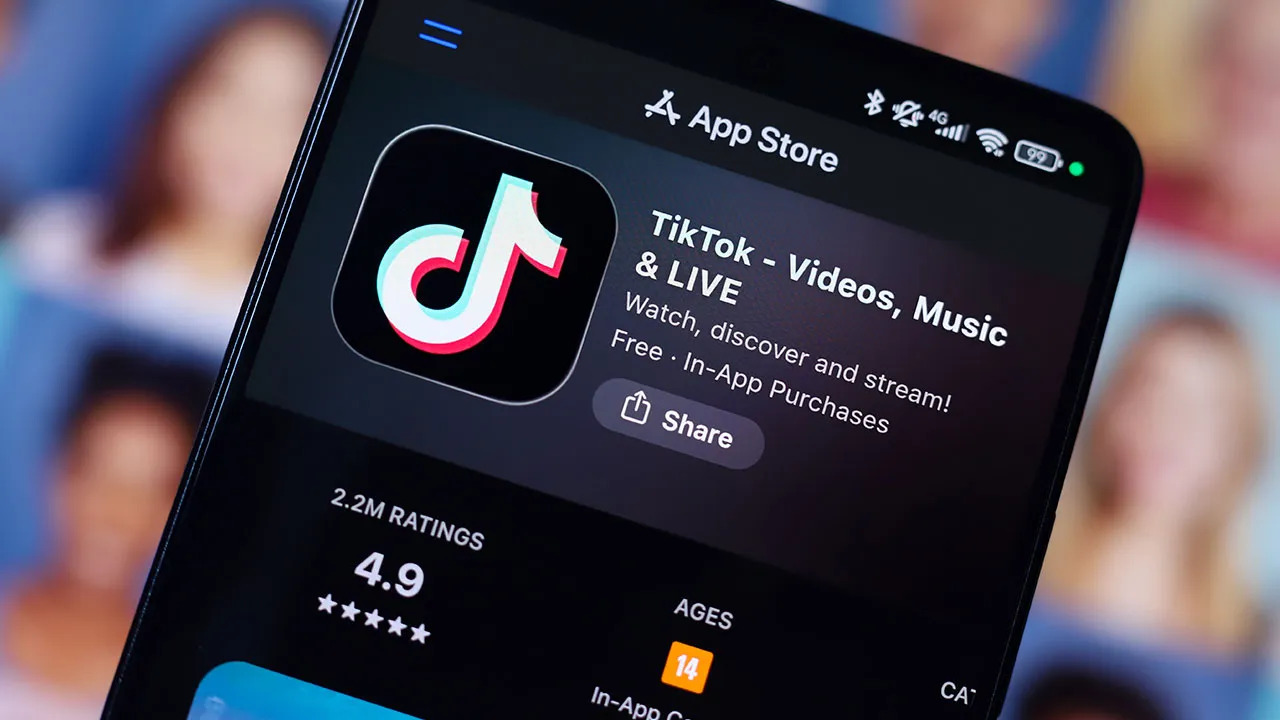
TikTok: New AI Tools for Broadcasts and Internal Money Transfers
21-08-2026
Rating: 0 | Views: 174 | Reading time: 6 min
Read →
Scientists have created a social network made of bots
22-08-2025
Rating: 0 | Views: 3270 | Reading time: 2 min
Read →
Trump signed a key agreement transferring TikTok to US control
26-09-2025
Rating: 0 | Views: 2045 | Reading time: 3 min
Read →
Telegram Files Application for .gram Domain Zone: Full Overview, Technical Details and Conclusion
19-08-2026
Rating: 0 | Views: 166 | Reading time: 7 min
Read →