The AI-Driven Future of the Creator Economy

Table of Contents:
The Strategic Shift: Building a Walled Garden for Creators
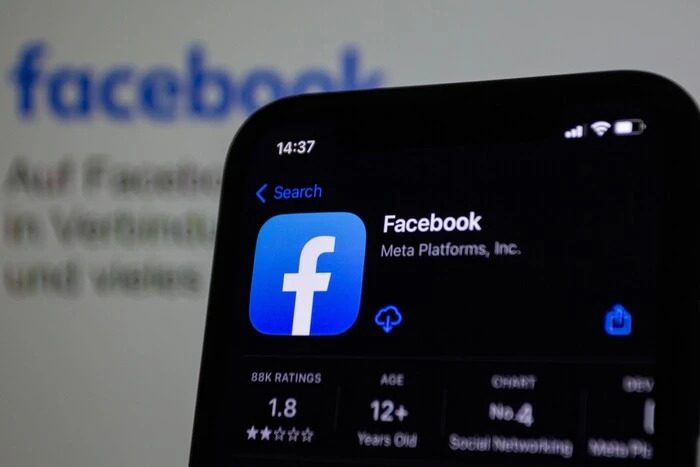
Meta’s introduction of a dedicated AI assistant for Facebook creators is not merely a feature update; it is a calculated, strategic maneuver to dominate the creator economy, which is currently valued at over $250 billion globally. In an era of extreme competition for user attention, platforms are fighting to ensure that talent remains within their infrastructure. By integrating advanced analytics, ideation tools, and predictive modeling directly into the Facebook dashboard, Meta is effectively building a "walled garden" that discourages creators from migrating to external SaaS platforms or relying on third-party tools like ChatGPT.
The economic core of this initiative is resource optimization. Data reveals that professional content creators spend approximately 40% of their working time on non-creative tasks—manually sifting through performance metrics, researching trending topics, and drafting content calendars. By automating these processes, Meta aims to reclaim this time, fueling a projected 30% increase in total creator output over the next three years. When creators spend less time on administration and more on high-quality production, the platform’s overall engagement rises, leading to higher ad revenues—a symbiotic win-win for both Meta and the creators.
Technical Depth: How the AI Interprets Success
The AI does not merely follow simple patterns; it employs predictive modeling and sentiment analysis based on billions of data points. By processing everything from comment sentiment and share velocity to frame-by-frame engagement drops in Reels, the AI builds a psychological profile of the creator’s audience.
-
Predictive Performance Analytics: Instead of just showing retrospective data (what happened last week), the AI provides predictive insights. It tells you exactly when to post to maximize reach, based on historical engagement surges specific to your unique audience segments.
-
Generative Ideation Engine: Using real-time cultural signals and global data, the AI acts as a creative partner. If a creator covers technology, the AI cross-references that with current viral audio tracks, trending cultural memes, and specific industry breakthroughs, suggesting a video concept that is statistically likely to succeed.
-
Subscriber Lifecycle Management: The assistant proactively identifies "at-risk" subscribers—those whose engagement is trending downward—and suggests specific content types that could re-engage them, turning raw, passive data into a proactive retention strategy.
The Global Language Barrier Collapse
The expansion of AI dubbing in Reels is perhaps the most disruptive element of this rollout. The technical challenge of dubbing—preserving the original vocal character—has been solved through advanced neural network synthesis. This technology separates the vocal pitch from the phonetic content, allowing the system to synthesize a translation that sounds almost identical to the creator’s authentic voice.
With over 500 million weekly viewers of dubbed content, this is no longer a niche feature; it is the new standard of international communication. By eliminating the language barrier, Meta is essentially turning every creator into a global entity. This creates massive competitive pressure on localized influencers who may now have to compete with international content creators who use AI to bridge the language gap effortlessly. We are rapidly moving toward a future where "language-agnostic content" becomes the gold standard for global digital influence, effectively decentralizing the media landscape.
Leave a Comment
Comments
No comments yet. Be the first to comment!
You may also like

Snapchat, Facebook, and TikTok may increase the risk of depression: new study findings
22-09-2025
Rating: 0 | Views: 2304 | Reading time: 2 min
Read →
TikTok to Stay in the US? The Deal Is Almost Ready
21-03-2025
Rating: 0 | Views: 2517 | Reading time: 1 min
Read →
Life Under Filters: How Social Media Controls Our Desires
25-07-2025
Rating: 0 | Views: 3051 | Reading time: 2 min
Read →
Strategic Guide for Brands on YouTube: Six Essential Tips for Modern Marketers
31-07-2026
Rating: 0 | Views: 358 | Reading time: 5 min
Read →
Scrolling Under Control: TikTok Updates Parental Controls
01-08-2025
Rating: 0 | Views: 4243 | Reading time: 3 min
Read →