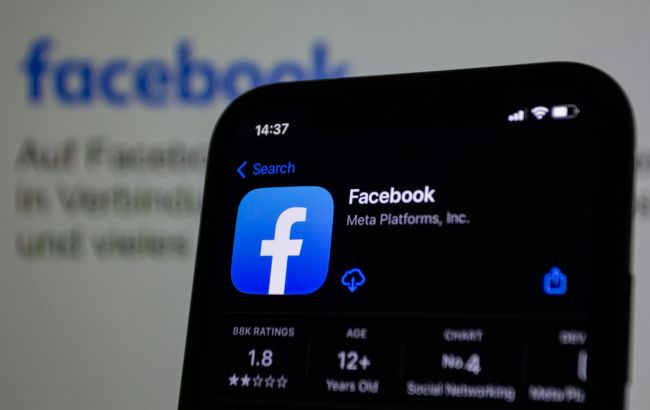
Meta has updated Facebook's design: what has changed

Table of Contents:
The biggest Facebook redesign in years
Meta has officially introduced one of the most significant Facebook redesigns in the platform’s history. The update marks a strategic shift back to Facebook’s original purpose — connecting friends — while modernizing navigation, content discovery, and interaction mechanics. As of 2025, Facebook still exceeds 3 billion monthly active users, making any interface change a high-impact decision.
Why Meta is rethinking Facebook’s strategy
The redesign comes amid broader strategic changes inside Meta. While investments in the metaverse are being reassessed, Facebook remains the company’s most stable product in terms of engagement and advertising revenue. According to industry analytics, the average Facebook user spends 31–34 minutes per day on the platform, outperforming many competing social networks.
Aging audience and the Gen Z challenge
Facebook’s core audience continues to age. Research shows that nearly 60% of daily active users are aged 35 and older, with particularly strong adoption among Generation X. At the same time, Meta is actively redesigning Facebook to appeal to Gen Z by adopting more visual layouts, full-screen content exploration, and simplified interactions inspired by Instagram.
Marketplace as a growth driver
Marketplace has become one of Facebook’s strongest engagement tools. According to eMarketer’s 2025 report, over 50% of Gen Z users in the U.S. use Facebook Marketplace at least once a month. Additionally, one in four young adults in the U.S. and Canada visits Marketplace regularly. In the new design, Marketplace is moved from secondary menus to the main bottom navigation bar, significantly increasing visibility.
Content interaction and personalization
The update introduces several interface changes:
-
double-tap likes for photos
-
unified grid and full-screen viewing
-
redesigned visual search for photos and videos
-
simplified creation of posts and Stories
Comment systems across feeds, groups, and Reels have also been redesigned. Users can now indicate why they dislike certain content, allowing algorithms to refine recommendations more precisely.
Returning to a “friends-first” platform
Meta aims to restore Facebook’s identity as a place for personal connections. Updated profiles allow users to share interests, hobbies, music, travel preferences, and favorite media. Internal testing showed that these profile updates increased friend-to-friend interactions by approximately 12%.
Some features will initially be available only on mobile, with global rollout planned over the coming weeks.
Leave a Comment
Comments
No comments yet. Be the first to comment!
You may also like

MadBid donates for the Nepal Earthquake victim’s relief
06-12-2022
Rating: 0 | Views: 3535 | Reading time: 6 min
Read →
British Law Changes Social Media. Why Are X and Reddit Blocking Posts About War?
04-08-2025
Rating: 0 | Views: 3553 | Reading time: 2 min
Read →
TikTok Shop Restructures: Cuts and Organizational Changes in the US
28-05-2025
Rating: 0 | Views: 2756 | Reading time: 3 min
Read →
YouTube tests a new Premium Duo subscription
09-05-2025
Rating: 0 | Views: 2349 | Reading time: 2 min
Read →
Why Instagram Boomers Are the Best Thing in Social Media
26-05-2025
Rating: 0 | Views: 2289 | Reading time: 4 min
Read →