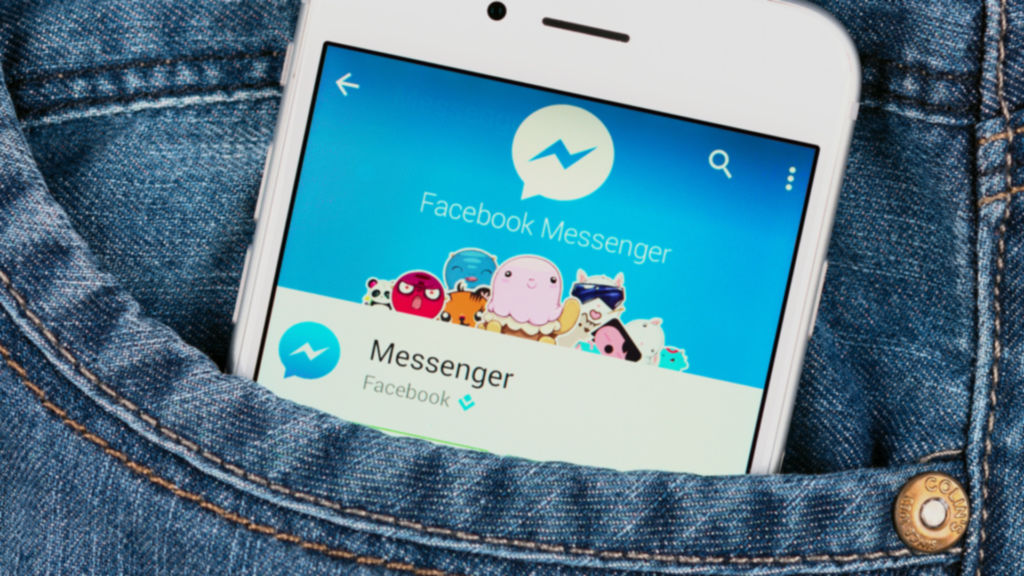
Meta is merging Messenger and Facebook: what will change

Table of Contents:
General overview
Meta has announced further consolidation of its digital services. Starting in April 2026, the standalone website messenger.com will be shut down, and users will be automatically redirected to Facebook’s messaging section. As a result, Messenger will no longer function as an independent web platform and will become fully integrated into Facebook.
Changes for desktop users
After the transition, accessing chats from a desktop computer will only be possible through Facebook. Users who previously relied on Messenger without an active Facebook account will still be able to communicate, but only via the mobile app. This marks a significant shift for those who used Messenger primarily as a browser-based tool.
Chat history and security
Meta states that all chat histories will remain intact and no messages will be deleted during the transition. However, users logging in from new devices will be required to enter a backup PIN. Industry data suggests that over 60% of account access issues are caused by insufficient security measures, which explains the stricter authentication rules.
Why Meta is consolidating services
More than 90% of Messenger activity now takes place on mobile devices, while usage of the web version continues to decline. With Facebook maintaining a massive monthly active user base, combining messaging access into a single platform simplifies maintenance and reduces operational complexity.
User reaction
Despite the practical reasons behind the decision, the update has faced criticism. Users who intentionally left Facebook but continued using Messenger see the change as limiting, particularly for desktop communication.
Leave a Comment
Comments
No comments yet. Be the first to comment!
You may also like


A new way to make money with Snapchat: an affiliate program for creators
30-04-2025
Rating: 0 | Views: 2012 | Reading time: 1 min
Read →
Google tests YouTube reviews using AI
28-04-2025
Rating: 0 | Views: 3135 | Reading time: 2 min
Read →
TikTok in the US: Sale on the Finish Line?
02-04-2025
Rating: 0 | Views: 2253 | Reading time: 1 min
Read →
How to Turn Viber into an AI Assistant: Steps to Transform Your Messenger
08-04-2026
Rating: 0 | Views: 1170 | Reading time: 3 min
Read →