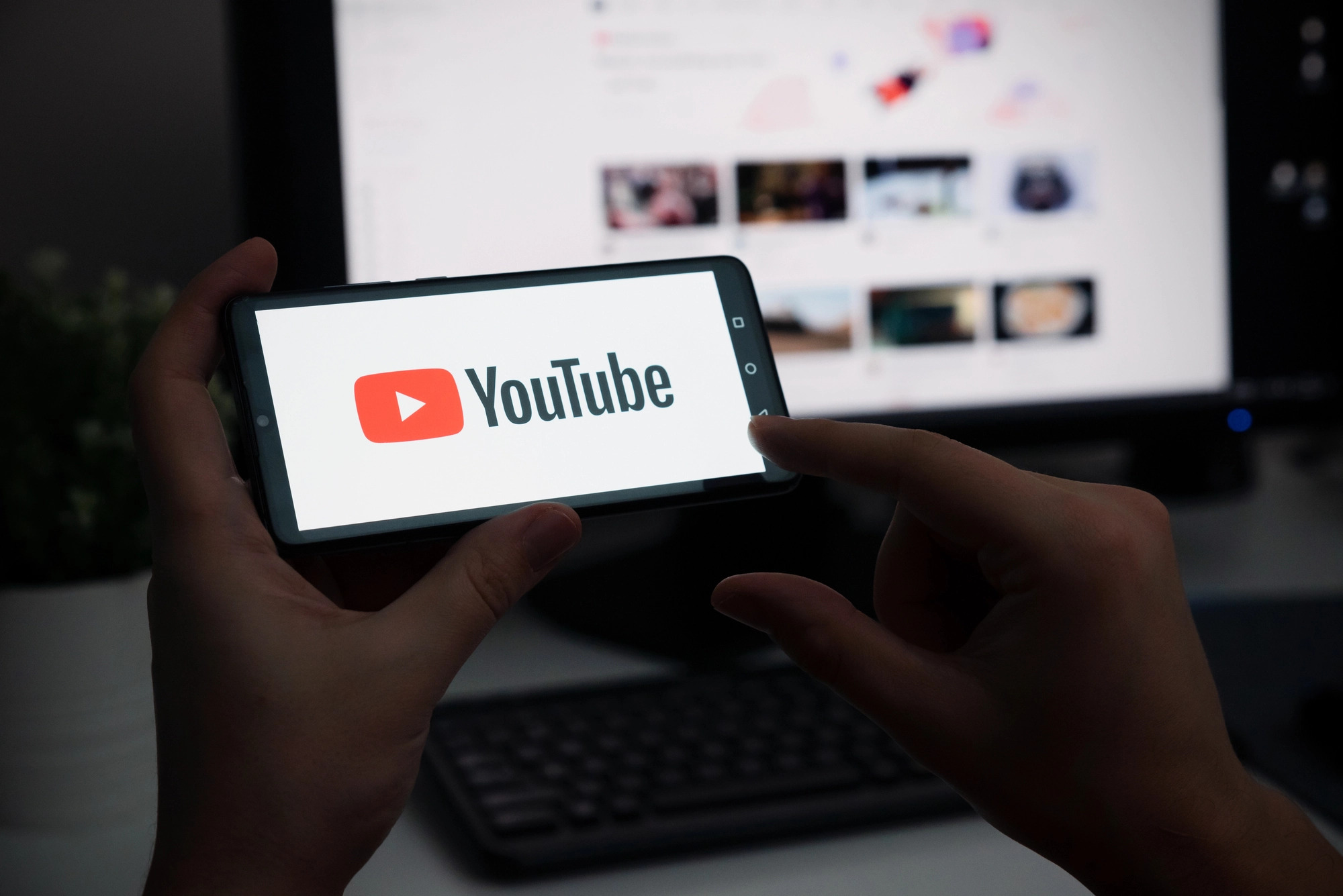
Google closes loophole: YouTube no longer runs in the background without Premium

Table of Contents:
What exactly has changed
One of the key benefits of YouTube Premium has always been background playback on mobile devices. This feature allows users to listen to videos, podcasts, or music while the screen is locked or while using other apps. For years, free users bypassed this limitation by using third-party browsers that supported background audio.
Recently, however, users have reported a noticeable change. YouTube videos stop playing immediately once the app is minimized or the screen is locked when accessed via browsers such as Samsung Internet, Brave, Vivaldi, or Microsoft Edge. This suggests a deliberate move by Google to restrict background playback strictly to Premium subscribers.
Why Google is doing this
From a business perspective, the decision is unsurprising. According to Statista, YouTube Premium had over 80 million subscribers globally in 2023, yet this represents less than 7% of YouTube’s total monthly active users, which exceed 2.5 billion. Background playback has been one of the strongest incentives to convert free users into paying customers.
Internal analytics from the mobile advertising market show that background listening accounts for up to 30–35% of total YouTube usage time among heavy users. Allowing free access to this functionality significantly reduces the perceived value of the subscription.
Impact on users and the market
For many users, especially those consuming educational content, interviews, or long-form discussions, background playback is not a luxury but a core use case. Market research indicates that over 60% of mobile YouTube sessions involve multitasking. Removing this option may frustrate users, but it also increases the pressure to upgrade.
This move reflects a broader industry trend. Streaming platforms are increasingly tightening feature access as subscription growth slows. YouTube’s action aligns with similar strategies seen in Spotify, Netflix, and other digital platforms.
What happens next
While Google has not made an official announcement, the consistency of user reports suggests the restriction is intentional and permanent. The company appears focused on reinforcing the Premium value proposition rather than allowing technical workarounds to undermine it.
Google is clearly signaling that background playback is no longer a grey area. It is now a paid feature, and users must decide whether the convenience justifies the subscription.
Leave a Comment
Comments
Hi there! Wishing you a great day ahead.
I'm looking to fund your initiative or help with your personal challenge. I offer non-repayable grants. Tell me more on WhatsApp +79957390437
Warm greetings! Hope you're doing well.
Your vision matters. I'm providing financial support to individuals working on projects or dealing with personal challenges. Message me on WhatsApp +380938820856
You may also like
Android or iOS – 3 Reasons Why You Should Never Mix Them
09-05-2014
Rating: 0 | Views: 587 | Reading time: 5 min
Read →
Zuckerberg wanted to delete all friends on Facebook to "reboot" the social network
18-04-2025
Rating: 0 | Views: 2160 | Reading time: 4 min
Read →
Antitrust case of the year: Meta and Google under attack
24-04-2025
Rating: 0 | Views: 3194 | Reading time: 2 min
Read →
Chinese social media platforms have begun labeling content created by artificial intelligence
03-09-2025
Rating: 0 | Views: 3494 | Reading time: 2 min
Read →
8 Common Mistakes When Buying Instagram Accounts — How to Avoid Risks
25-08-2026
Rating: 0 | Views: 142 | Reading time: 11 min
Read →