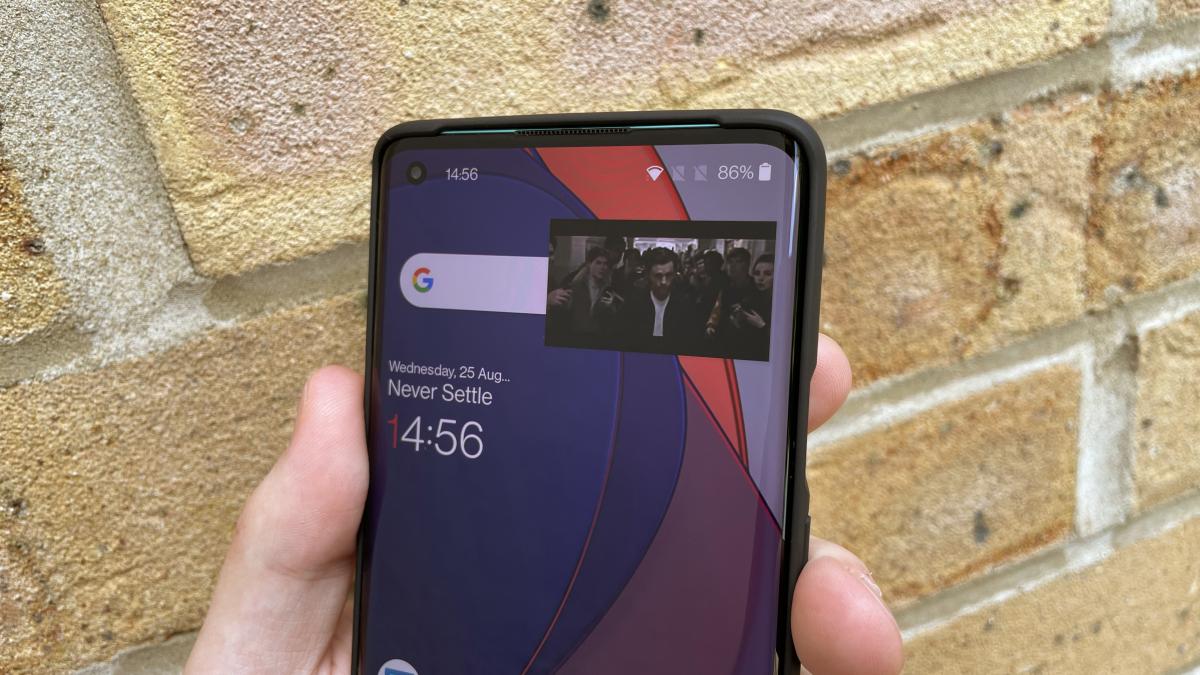
YouTube’s Strategic Pivot: "Picture-in-Picture" for Everyone

Table of Contents:
The landscape of digital streaming is undergoing a seismic shift. In a move that has surprised both analysts and casual viewers, YouTube has officially initiated the global rollout of the "Picture-in-Picture" (PiP) feature for all users, regardless of their subscription status. This functionality, which was previously a cornerstone of the $13.99/month Premium package, is now transitioning into a standard utility for the platform’s massive user base.
The Mechanics of the Update
The "Picture-in-Picture" mode allows users to minimize the YouTube application while maintaining a small, floating window that continues to play video content. This window can be moved across the smartphone screen, enabling seamless multitasking—such as browsing emails or messaging while watching a video.
Key Technical Constraints:
-
Content Type: The free version is strictly limited to "standard videos" (interviews, tech reviews, documentaries).
-
Music Exclusion: Music videos remain tethered to the Premium subscription to comply with licensing agreements with major record labels.
-
Background Audio: The ability to listen to audio with a locked screen remains a paid feature.
Global Market Statistics and User Behavior
To understand why YouTube is making this shift, we must look at the data. As of 2024, YouTube boasts over 2.7 billion monthly active users. However, the conversion rate to Premium is a point of contention. Industry reports indicate that only about 80 million to 100 million users worldwide pay for Premium services.
Research by Statista and Pew Research suggests that:
-
70% of YouTube watch time occurs on mobile devices.
-
Multitasking is a priority for 65% of Gen Z and Millennial users, who frequently switch between apps during a single session.
-
Platforms like TikTok and Instagram already offer seamless multitasking, forcing YouTube to lower its paywalls to maintain user retention.
By making PiP free, YouTube aims to increase its "Time Spent on Platform" metric, which is crucial for ad revenue optimization. A user who can watch an interview while texting is less likely to close the app entirely.
Recent Innovations: Shorts Control and AI Integration
This update follows a string of user-centric modifications. Earlier this month, YouTube introduced a long-awaited feature: the ability to permanently disable "Shorts." Users can now set a daily limit of 0 minutes in their settings, effectively removing the short-form feed from their interface. This decision stems from user feedback regarding "digital fatigue" and the desire for more intentional content consumption.
Furthermore, the integration of AI-driven dubbing has expanded accessibility. With support for multiple languages, including Ukrainian, users can now swap audio tracks via the "Gear" icon in the player. This is part of a broader $2 billion investment Google has funneled into AI media processing to bridge linguistic gaps across its global audience. By automating high-quality translation, YouTube is effectively turning local creators into global stars, further cementing its dominance in the creator economy.
Leave a Comment
Comments
No comments yet. Be the first to comment!
You may also like
The 2026 Social Media Trends Rewriting the Rules of Discovery and Distribution
18-03-2026
Rating: 0 | Views: 1099 | Reading time: 5 min
Read →
YouTube Launches Multilingual Audio for Creators
17-09-2025
Rating: 0 | Views: 2158 | Reading time: 2 min
Read →
YouTube Introduces an Isolation Filter: How to Remove Shorts from Search
09-01-2026
Rating: 0 | Views: 1623 | Reading time: 3 min
Read →
YouTube's Strategic Evolution: Mastering Audience Analytics and Creative Shorts
27-05-2026
Rating: 0 | Views: 552 | Reading time: 4 min
Read →
TikTok Shop Restructures: Cuts and Organizational Changes in the US
28-05-2025
Rating: 0 | Views: 2755 | Reading time: 3 min
Read →