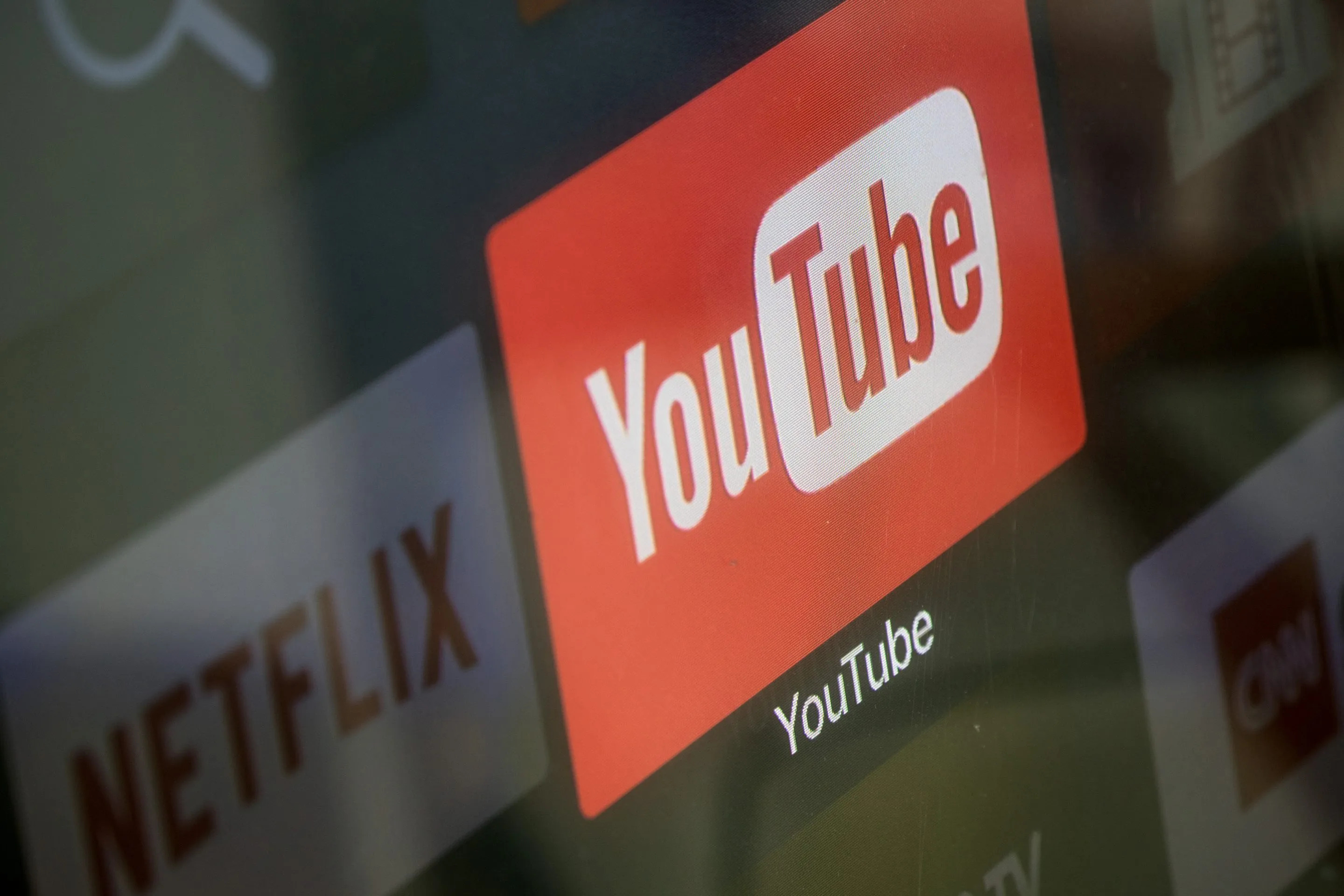
The Streaming War for Creators: YouTube and Netflix Battle for Top Talent

Table of Contents:
The New Frontier of Content Distribution
The modern digital media landscape is undergoing a massive transformation. The traditional boundaries separating independent video creators from major streaming conglomerates are rapidly dissolving. Platforms that once operated in entirely different spheres are now locked in fierce, direct competition for the most valuable commodity in the digital economy: audience attention.
Recent investigative reports from major financial publications reveal that YouTube has initiated a multi-million-dollar defensive strategy. The video-sharing giant is actively offering substantial financial incentives to top-tier content creators, urging them to reject partnership offers from its primary streaming rival, Netflix. This high-stakes corporate maneuvering highlights a fundamental shift in how digital entertainment is produced, distributed, and monetized.
The Anatomy of the Conflict: Exclusive Deals Versus Cross-Platform Distribution
The friction intensified as Netflix aggressively pursued strategic partnerships with dozens of globally recognized content creators. High-profile YouTube personalities, including Alan Chikin Chow and Nick DiGiovanni, along with popular digital franchises like the interview show Hot Ones, became prime targets for Netflix expansion efforts. The streaming giant offered creators lucrative financial packages to simultaneously publish their established video formats on the Netflix platform.
For independent creators, these propositions initially appeared highly attractive. With a massive global user base exceeding 325 million active subscribers, Netflix provides an unprecedented opportunity for massive brand expansion, cross-pollination of audiences, and lucrative secondary revenue streams for content that has already been produced.
However, YouTube perceived this cross-platform migration as a direct threat to its market dominance. Industry insiders report that YouTube executives initiated direct counter-negotiations, dangling financial packages worth millions of dollars. These proposed compensation models vary widely:
-
Direct project funding: YouTube offers to underwrite high-budget original productions directly.
-
Brand partnership revenue sharing: Creators are promised a larger cut of high-value corporate sponsorships orchestrated through the YouTube ecosystem.
The Statistical Reality: Creator Economy Metrics and Growth
Understanding the scale of this corporate rivalry requires a close look at the macroeconomic data defining the digital video sector. The global creator economy is valued at staggering heights, reflecting profound structural changes in media consumption:
-
Market Valuation: According to industry research reports, the global creator economy surpassed $250 billion, with projections indicating continuous double-digit compound annual growth rates through the decade.
-
Audience Shift: Digital video platforms capture more than 80% of daily internet users aged 16 to 34, outperforming traditional cable television and subscription video-on-demand services combined in daily engagement time.
-
Monetization Disparities: Top-tier independent creators generate over $50 million annually through diversified revenue streams, including ad revenue sharing, brand deals, merchandise, and direct-to-consumer digital products.
-
Subscriber Scale: While YouTube boasts over 2.5 billion monthly active users, Netflix maintains a dedicated paid subscriber base exceeding 325 million households, creating a massive tug-of-war for premium content creators who sit at the intersection of both metrics.
The Cost of Competition: Penalties and Creative Constraints
Despite the lucrative incentives dangled by YouTube, navigating these corporate waters is fraught with complications. YouTube leadership has issued explicit warnings regarding the consequences for creators who choose dual-platform publication. According to leaked reports, creators who align with Netflix face severe institutional penalties within the YouTube ecosystem:
-
Marketing Exclusion: Non-compliant creators risk being systematically omitted from high-profile YouTube marketing campaigns, global creator summits, and promotional showcases.
-
Revenue Deprivation: YouTube has signaled that such creators will be cut off from lucrative revenue-sharing pools associated with major corporate brand deals facilitated directly by the platform.
Simultaneously, creators are facing internal friction with Netflix itself. Several prominent influencers have voluntarily walked away from Netflix negotiations due to stringent production demands. Netflix protocols often mandate content delivery several days in advance of publication and strictly prohibit organic mentions of third-party sponsor integrations—a vital financial lifeline for independent creators.
The Future of Independent Digital Media
The brewing war between YouTube and Netflix marks a pivotal milestone in media history. As streaming services desperately seek to capture the organic engagement, authenticity, and loyalty that independent creators command, foundational distribution models are being rewritten.
For digital creators, this corporate rivalry presents unprecedented financial upside, but it also forces strategic compromises. The choice between the vast institutional backing and targeted incentives of YouTube versus the massive subscription reach and traditional prestige of Netflix will ultimately dictate the strategic roadmap of the creator economy for years to come.
Leave a Comment
Comments
No comments yet. Be the first to comment!
You may also like
Instagram updates: more control over content and new opportunities for creators
25-03-2026
Rating: 0 | Views: 921 | Reading time: 4 min
Read →
European users leave Elon Musk's X amid scandals
05-05-2025
Rating: 0 | Views: 2101 | Reading time: 2 min
Read →
The EU Demands TikTok to Change Its "Addictive" App Design
11-02-2026
Rating: 0 | Views: 1526 | Reading time: 3 min
Read →
YouTube becomes the world’s largest media company
13-03-2026
Rating: 0 | Views: 1822 | Reading time: 5 min
Read →
Facebook Launches Dedicated Creator Studio Powered by Artificial Intelligence
14-08-2026
Rating: 0 | Views: 262 | Reading time: 5 min
Read →