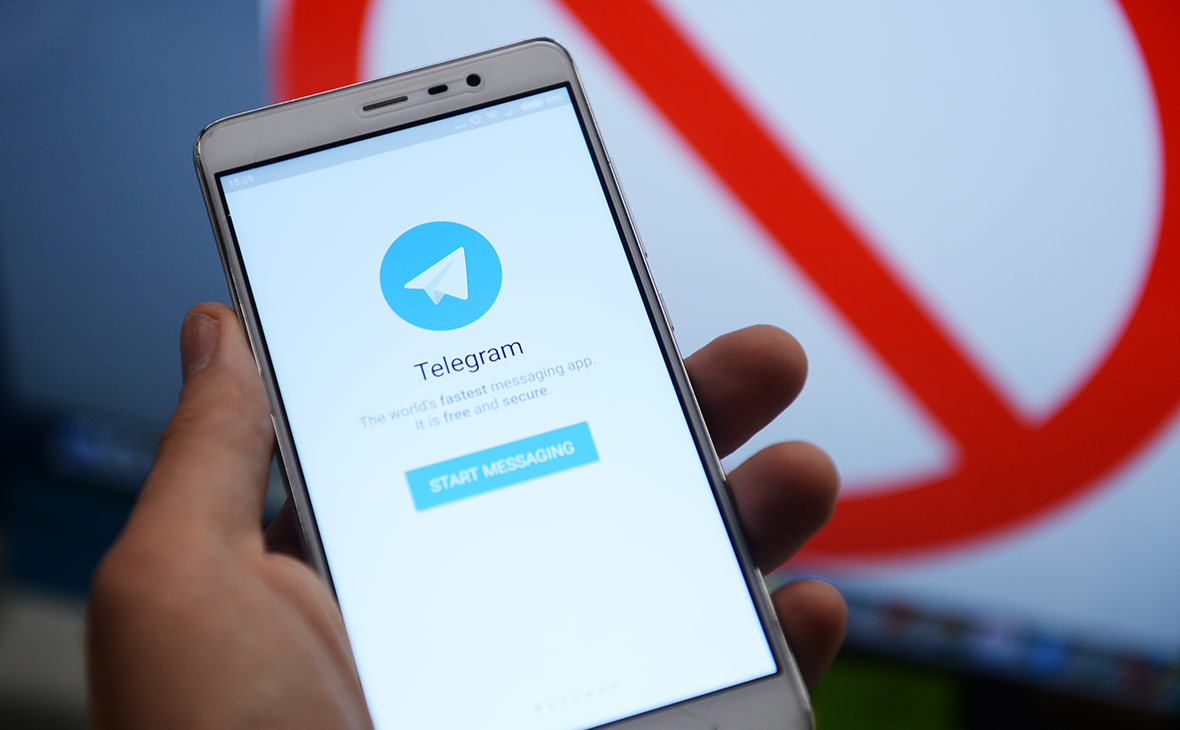
Telegram Prepares Mesh Mode: Communication Beyond Blocking

Table of Contents:
Rumors suggest that Telegram is exploring the integration of Mesh networking via Bluetooth and Wi-Fi — a move that could fundamentally change how messaging works under restrictions. While it may sound futuristic, the underlying technology already exists and is actively being tested. In recent years, interest in decentralized communication has grown rapidly, especially in regions facing digital limitations. According to analytical reports, the global market for decentralized networking solutions is expected to grow by more than 25% annually, indicating strong demand. This reflects a broader shift toward digital independence and resilience.
What Is a Mesh Network and Why It Matters
A traditional messenger relies on centralized servers and internet providers, which can be controlled or restricted. A Mesh network operates differently: devices connect directly, forming a decentralized system where each smartphone acts as both a client and a relay. Messages travel from device to device until reaching the recipient.
Research shows that over 85% of global internet traffic depends on centralized infrastructure, making it vulnerable. Mesh networks aim to remove this dependency. Bluetooth Low Energy typically works within 10–30 meters, but in dense environments messages can travel much farther. In large cities, where device density can exceed 1000 smartphones per square kilometer, such systems may function effectively. This creates a new communication model without traditional infrastructure.
Existing Technologies and Real Limitations
Projects like Bitchat demonstrate that serverless communication is possible. However, researchers have identified serious vulnerabilities, including buffer overflow risks and weak encryption key management. Security remains a major barrier to adoption.
Mesh networks also require high device density. In urban areas, where smartphone usage exceeds 90%, they can work efficiently. In rural areas, performance drops significantly. Additionally, constant Bluetooth usage may increase battery consumption by 15–20%, which affects usability. This creates a trade-off between independence and convenience.
Why Telegram Mesh Would Be Different
Telegram today is a complex ecosystem with channels, bots, media, and cloud synchronization. All of this depends on centralized servers. A Mesh version would be limited to text messages and small files. Features like large broadcasts or syncing would not work.
Technically, this would be an emergency communication layer rather than a full product. Telegram processes millions of messages per second — something Mesh networks cannot replicate. This would be a simplified backup solution rather than a full-featured experience.
Strategic Perspective
From a business standpoint, such a feature is difficult to monetize. Over 70% of messaging revenue models rely on centralized infrastructure, which Mesh networks lack. This suggests the decision would be strategic rather than commercial.
Only about 10–15% of users are familiar with decentralized tools, meaning adoption would require education and adaptation. Without this, the technology may remain niche.
Mesh networking is a viable fallback in case of restrictions. While it cannot replace Telegram fully, it can preserve basic communication. The concept is still evolving, but it has real potential. It may not be the future of messaging yet, but it could become its foundation in extreme scenarios.
Leave a Comment
Comments
No comments yet. Be the first to comment!
You may also like

Is Madbid Cheap? How Much Does it Really Cost?
17-04-2014
Rating: 0 | Views: 617 | Reading time: 8 min
Read →
The Streaming War for Creators: YouTube and Netflix Battle for Top Talent
26-08-2026
Rating: 0 | Views: 166 | Reading time: 6 min
Read →
TikTok Shop Continues to Expand Its Capabilities
26-03-2025
Rating: 0 | Views: 2458 | Reading time: 2 min
Read →
Facebook is bringing back job postings: Meta is relaunching its job search system
17-10-2025
Rating: 0 | Views: 2567 | Reading time: 3 min
Read →
How to Protect Your Telegram Channel from Hacking
19-09-2025
Rating: 0 | Views: 3500 | Reading time: 2 min
Read →