Social media is being flooded with deceptive videos created by artificial intelligence. How to recognize them

Table of Contents:
Social media platforms are experiencing a rapid surge of videos created entirely by artificial intelligence. According to a 2024 report by Gartner, over 60% of online video content is expected to be partially or fully AI-generated by 2026. One of the main drivers of this trend is Sora2, OpenAI’s latest video generation model, capable of producing highly realistic short clips from text, images, or brief voice input.
Since API access became available to developers in late 2025, the number of automatically generated and published AI videos has increased dramatically. These clips are often visually impressive and difficult to distinguish from real footage, which creates new risks for misinformation, fraud, and manipulation.
Key signs of AI-generated and deepfake videos
Despite rapid progress, AI-generated videos still reveal themselves through subtle inconsistencies. One of the most common indicators is unnatural movement. Hands may bend in impossible ways, facial features can briefly distort, and interactions with objects may look inaccurate. A study by MIT Media Lab found that nearly 70% of AI videos contain detectable motion anomalies when analyzed frame by frame.
Background inconsistencies and short duration
Another warning sign is an unstable background. Text on walls may morph into unreadable symbols, lighting sources may shift illogically, and objects may subtly change shape. Additionally, most AI-generated clips currently last between 3 and 10 seconds, as maintaining visual coherence over longer scenes remains technically challenging.
Audio and facial cues
Soundtracks generated by AI often feel unnaturally clean, lacking ambient noise. Lip-sync errors, overly smooth skin textures, and irregular eye movements are also frequent. Research by Deeptrace indicates that eye behavior remains one of the weakest points in deepfake realism.
Why this matters
Experts warn that the widespread availability of convincing AI videos threatens public trust. When fake and real content blend seamlessly, even authentic recordings may be questioned. This erosion of trust affects politics, public figures, businesses, and everyday users alike.
Leave a Comment
Comments
No comments yet. Be the first to comment!
You may also like
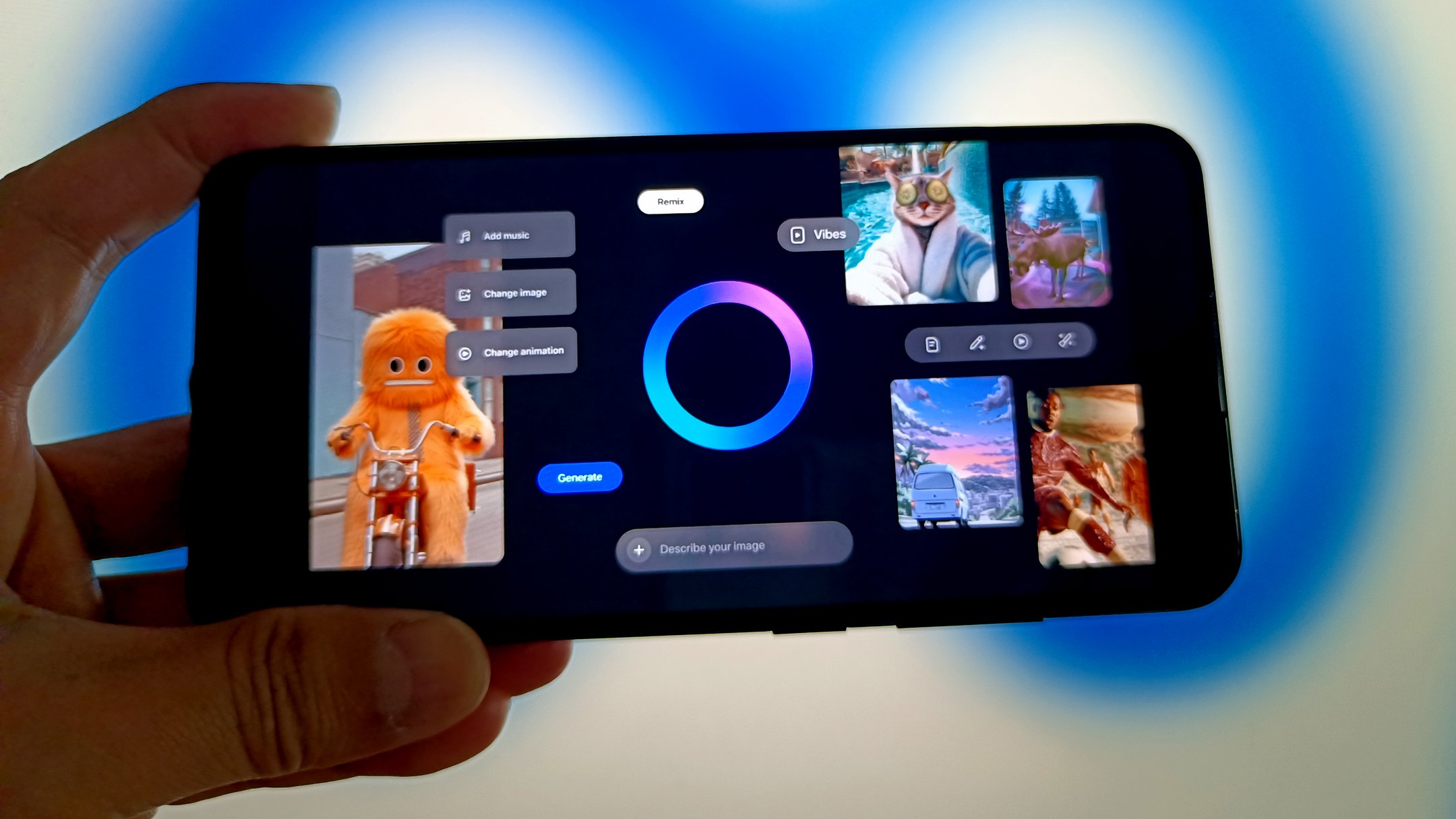
Meta has unveiled a new social network, Vibes
29-09-2025
Rating: 0 | Views: 2820 | Reading time: 1 min
Read →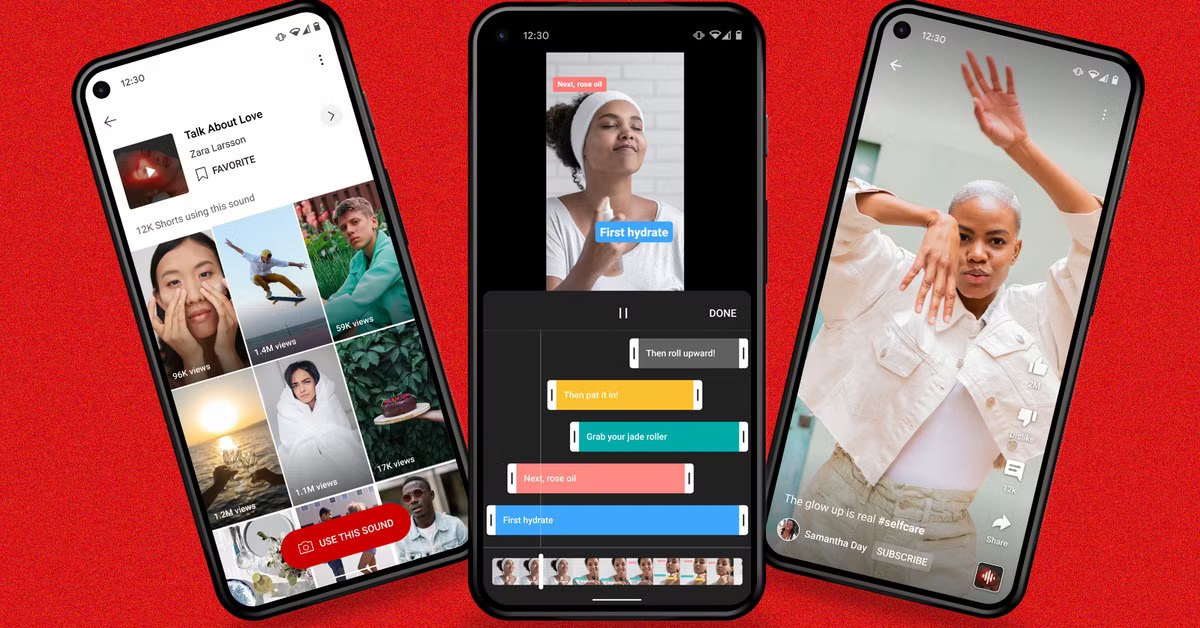
YouTube Shorts Overhaul: A New Era for Short-Form Content
29-06-2026
Rating: 0 | Views: 486 | Reading time: 5 min
Read →
8 Common Mistakes When Buying Instagram Accounts — How to Avoid Risks
25-08-2026
Rating: 0 | Views: 142 | Reading time: 11 min
Read →
How Telegram Reduced the Quality of Media Content
21-11-2025
Rating: 0 | Views: 2191 | Reading time: 3 min
Read →
Life Under Filters: How Social Media Controls Our Desires
25-07-2025
Rating: 0 | Views: 3051 | Reading time: 2 min
Read →