Meta’s Gallery Scanning: The Future of Frictionless Sharing on Facebook

Table of Contents:
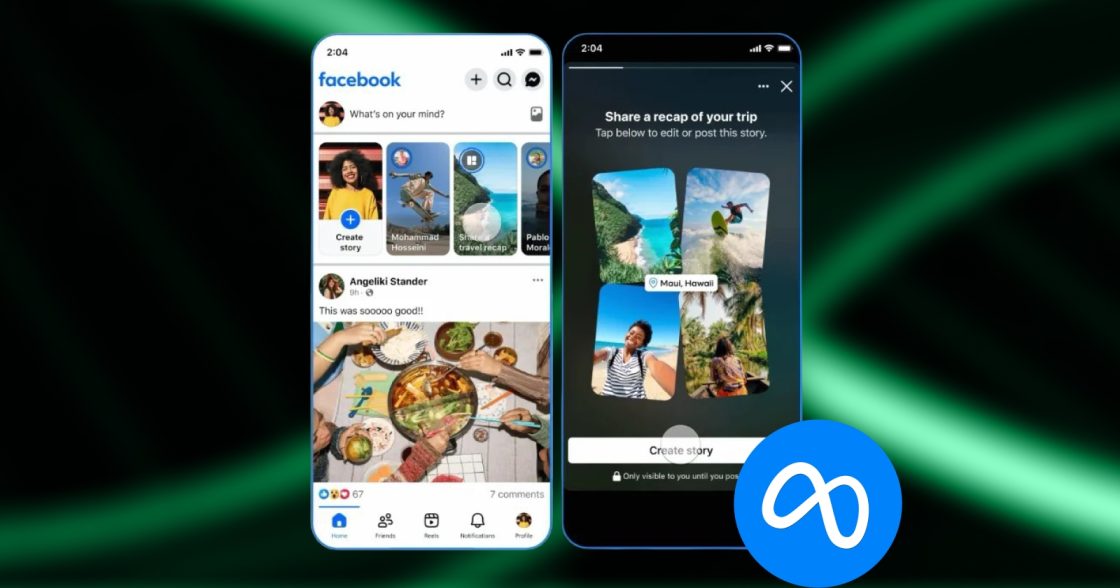
Meta has officially unveiled a pilot program for Facebook that introduces an intelligent photo-scanning feature designed to eliminate "post paralysis." By seeking explicit permission to analyze a user’s local smartphone gallery, the platform aims to curate, edit, and suggest posts directly from the user's life experiences. This UK-based trial is the latest move in Meta's broader strategy to integrate generative AI into the daily social experience.
Technical Overview: Beyond Simple Images
The scanning tool does not merely view files; it understands them through a sophisticated layer of contextual awareness.
-
Spatial Intelligence: By cross-referencing photo locations with Facebook’s vast database of Points of Interest (POI), the app can suggest relevant "check-ins" and local hashtags.
-
Semantic Object Analysis: The AI can distinguish between a casual meal at home and a high-end restaurant experience, adjusting the suggested "vibe" of the post accordingly.
-
Cloud vs. On-Device Processing: While initial indexing often happens on-device to save battery, complex creative tasks like video rendering frequently utilize Meta’s high-performance cloud servers.
Statistics reveal that the average user captures roughly 5 to 10 photos per day, yet only a fraction of these are ever revisited. Meta’s objective is to transform this "dark data" into social currency.
Market Dynamics and User Engagement
The strategic impetus for this feature is clear: Facebook is fighting to remain the primary destination for personal storytelling. Market data suggests that:
-
Engagement Advantage: Posts with original photography garner 150% more comments than those with shared links or text-only updates.
-
AI Training Loop: This feature provides Meta with a massive, opt-in stream of real-world imagery to refine its computer vision models.
-
Retention Strategy: By reminding users of their own memories (similar to Apple’s "For You" tab), Facebook increases its "stickiness," keeping users within the app for longer durations.
A recent survey showed that 45% of users feel overwhelmed by the process of selecting and editing photos for social media. Automated curation directly addresses this pain point, making the platform more accessible to non-technical users.
The Privacy Paradox
Despite the convenience, the privacy implications are significant. Meta is navigating a delicate landscape following its 2021 decision to shutter its facial recognition system due to regulatory scrutiny. The new "Scan and Suggest" feature is carefully marketed as a user-centric tool with clear opt-out controls. However, digital rights advocates argue that granting an app access to a full photo history is a substantial trade-off. Even with encryption and private previews, the collection of metadata remains a powerful asset for Meta’s advertising engine.
Leave a Comment
Comments
The US president raged at NATO allies over defense spending in meeting with the German chancellor, as Israel ordered its military to ‘advance’ in Lebanon
The US president raged at NATO allies over defense spending in meeting with the German chancellor, as Israel ordered its military to ‘advance’ in Lebanon
You may also like

Google closes loophole: YouTube no longer runs in the background without Premium
04-02-2026
Rating: 0 | Views: 2569 | Reading time: 3 min
Read →
TikTok: New AI Tools for Broadcasts and Internal Money Transfers
21-08-2026
Rating: 0 | Views: 221 | Reading time: 6 min
Read →
The story of the largest leak: 16 billion passwords from Apple, Facebook and Google
25-06-2025
Rating: 0 | Views: 2366 | Reading time: 2 min
Read →
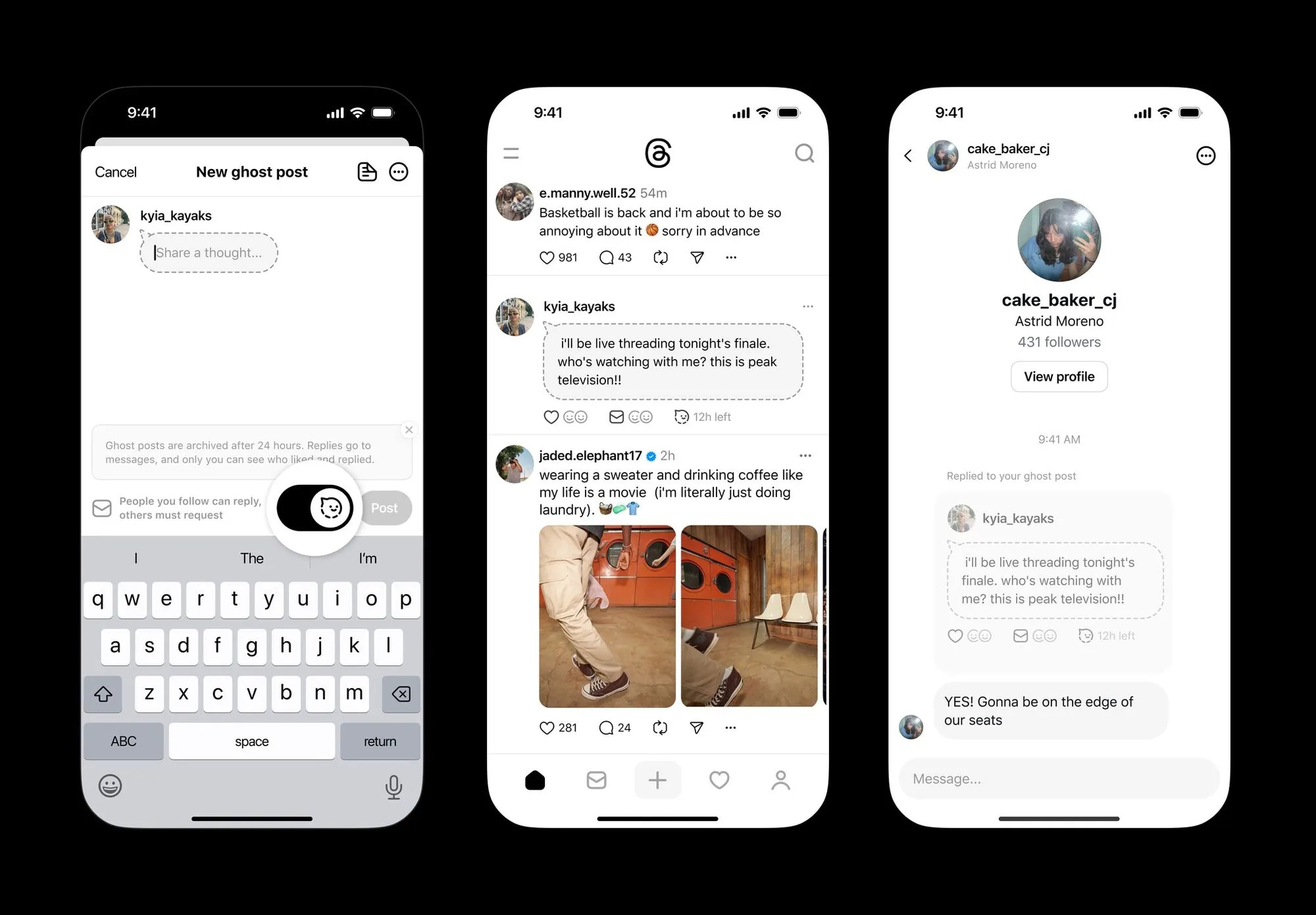
Threads now features "ghost posts" that disappear after 24 hours.
29-10-2025
Rating: 0 | Views: 2263 | Reading time: 2 min
Read →