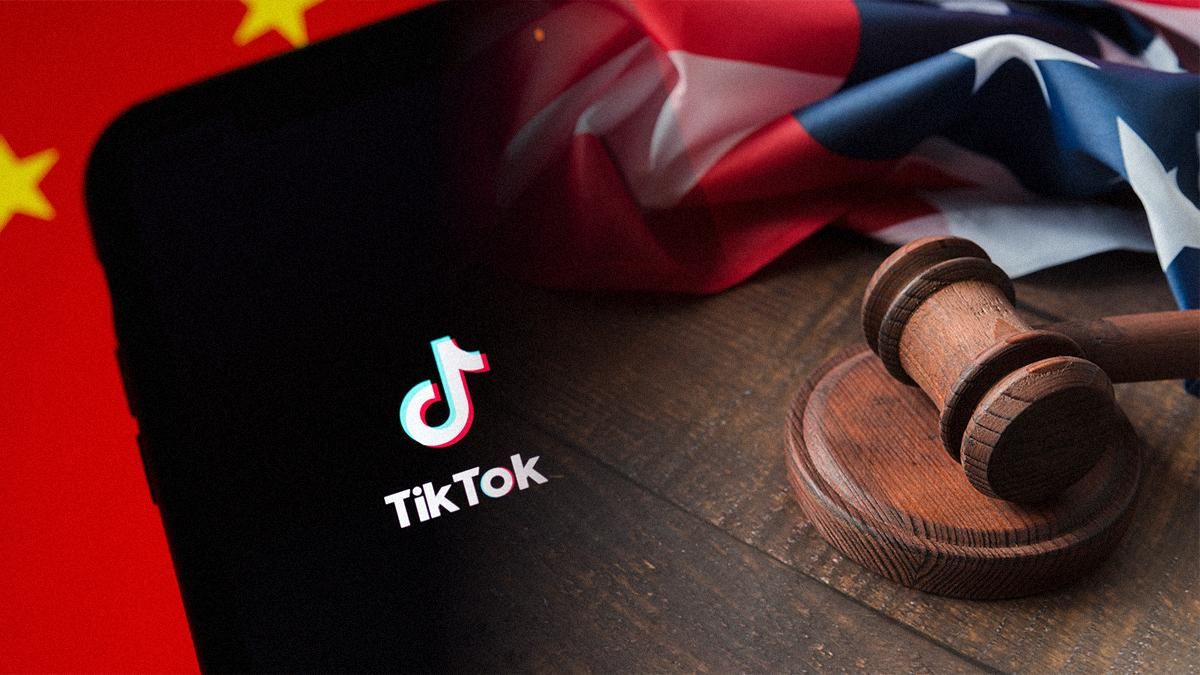
Florida Takes a Stand: The Legal Battle Against TikTok and the Fight for Child Safety

Table of Contents:
A Landmark Legal Confrontation
The state of Florida has initiated a significant legal battle against TikTok, marking a critical escalation in the ongoing regulatory scrutiny of social media platforms. The lawsuit, filed in the St. Lucie County Circuit Court, accuses the Chinese parent company, ByteDance, of a systematic and cynical disregard for state laws designed to protect the mental and physical well-being of minors. Attorney General James Uthmeier, a key figure in this legal challenge, alleges that the platform is not merely failing to enforce age restrictions but is actively deceiving parents about the prevalence of dangerous, violent, and sexualized content accessible to young users.
The core of the legal action is anchored in Florida’s House Bill (HB) 3, which came into full effect in early 2025. This legislation imposes strict requirements on social media companies: a complete ban on account creation for children under 14 and a mandate for parental consent for users aged 14 to 16. The state argues that TikTok has failed to implement robust, reliable age verification mechanisms and has deliberately undermined parental control tools.
The Algorithmic Black Box
The lawsuit goes beyond simple negligence; it attacks the very architecture of the application. The prosecution argues that TikTok’s proprietary recommendation algorithm is designed as a dopamine feedback loop. By feeding minors a stream of content tailored to maximize engagement, the app keeps users glued to the screen, often exposing them to inappropriate materials that exacerbate mental health issues. "ByteDance has created a product that they know is addictive and harmful to the developmental stages of a child's brain," state legal documents claim.
Statistical Context and the Scope of the Crisis
The urgency behind the lawsuit is supported by concerning data. According to reports from the Florida Attorney General's office and external research, the digital exposure of minors has reached critical levels:
-
Approximately 65% of children aged 12–15 report encountering sexually explicit or violent content on short-form video platforms without actively searching for it.
-
Studies suggest that persistent use of platforms with high-engagement algorithmic designs is linked to a 30% increase in reported cases of teen anxiety and depression over the last five years.
-
In internal investigations, prosecutors found that nearly 20% of accounts flagged as belonging to children under 14 remained active and unmoderated even after the implementation of HB 3.
The Constitutional Tug-of-War
Florida’s actions are part of a broader, nationwide effort to hold tech giants accountable. Currently, over 25 state attorneys general have initiated similar legal proceedings. These lawsuits collectively argue that platforms like TikTok design their features—such as infinite scrolls and intermittent rewards—to intentionally foster psychological addiction. Before the action against TikTok, Florida targeted Snap (Snapchat) for allegedly facilitating the purchase of illicit substances.
The defense teams frequently cite the First Amendment, arguing that such state laws infringe upon the constitutional rights of users to access information. While a federal judge initially paused the enforcement of HB 3, citing constitutional concerns, an appellate court decision has allowed Florida to continue its pursuit. This underscores the high stakes for both the state and the tech industry, as the outcome will likely set a national precedent for digital liability.
Leave a Comment
Comments
No comments yet. Be the first to comment!
You may also like

OpenAI Plans to Launch Its Own Social Network
02-03-2026
Rating: 0 | Views: 1853 | Reading time: 3 min
Read →
TikTok Is the New Google for Generation Z
24-09-2025
Rating: 0 | Views: 2377 | Reading time: 3 min
Read →
3 Awards in 1 Year….. MadBid must be doing something right
18-09-2012
Rating: 0 | Views: 414 | Reading time: 1 min
Read →

Social media influences teenagers more than teachers, according to a UK study
25-08-2025
Rating: 0 | Views: 3145 | Reading time: 2 min
Read →