Artificial Intelligence and the Labor Market: Sam Altman’s Perspective

Table of Contents:
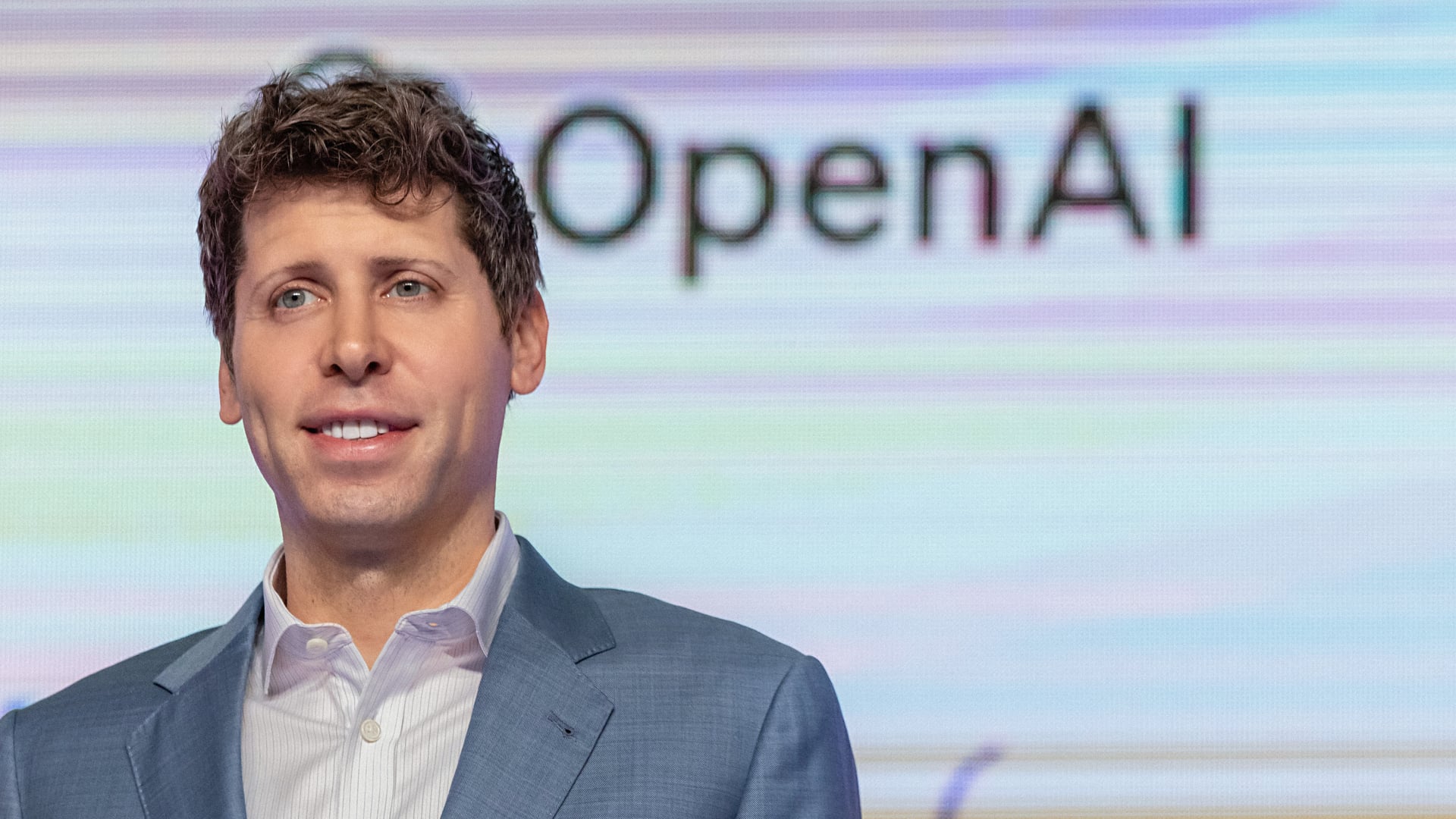
OpenAI CEO Sam Altman has recently offered a perspective that serves as a breath of fresh air for millions. Speaking at the Commonwealth Bank of Australia conference, he admitted that AI is impacting the labor market far less radically than previously anticipated. Altman candidly stated that he is glad to have been mistaken in his past predictions regarding the massive displacement of human workers.
Deconstructing Previous Forecasts
Previously, the media actively circulated Altman’s comments suggesting that AI could replace 30% to 40% of all work tasks. These projections sparked global anxiety. However, Altman’s stance has now shifted toward cautious optimism. He asserts that many professions possess an intrinsic essence that remains beyond the reach of algorithms, requiring human vision and unique life experience.
Altman shared a personal anecdote: he has stopped delegating the writing of emails to AI. This decision highlights that even the creators of these models acknowledge that the "human factor" provides authenticity. This topic is widely debated in social media, where thousands of users analyze the impact of algorithms on their professional daily lives.
Professions with a "Human Touch"
Sam Altman identified the sectors most resilient to technological encroachment:
-
Healthcare: Medicine requires not just analytical capabilities but also compassion, which cannot be programmed.
-
Education: Teaching is more than data transmission; it is about mentorship and shaping character.
-
Consulting: Strategic business decisions are often based on human trust, which cannot be offloaded to AI.
Statistical Data and Market Realities
Recent studies support Altman’s observations. According to a Goldman Sachs report, while roughly 300 million jobs worldwide could be affected by automation, only about 7% of occupations are at risk of being completely replaced. The vast majority (approximately 63%) will only be partially automated, acting as a productivity tool rather than a replacement. Additionally, OECD data indicates that only 27% of jobs are in high-risk categories for automation within the next decade.
The past year saw many companies "freezing" hiring due to fears of uncontrollable AI adoption. However, the shift in the OpenAI CEO’s rhetoric suggests that the transition to using LLM-based models will be a gradual process rather than an overnight revolution. The labor market demonstrates a remarkable degree of inertia and resilience. Human professional judgment remains the cornerstone of economic progress.
Leave a Comment
Comments
No comments yet. Be the first to comment!
You may also like

How Generations Z and Alpha Are Changing Retail
23-05-2025
Rating: 0 | Views: 2276 | Reading time: 3 min
Read →

YouTube becomes the world’s largest media company
13-03-2026
Rating: 0 | Views: 1823 | Reading time: 5 min
Read →
Meta has patented an AI model that simulates user activity while they are away
16-02-2026
Rating: 0 | Views: 1983 | Reading time: 3 min
Read →
YouTube Updates Monetization and Advertising
02-06-2025
Rating: 0 | Views: 1843 | Reading time: 3 min
Read →